

Sarees are one of the most timeless and elegant garments in Indian fashion. A saree represents culture, tradition, grace, and personal style, making it a cherished outfit for women across generations. From the luxurious Silk Saree to the eco-friendly Khadi Saree and the intricate Embroidery Saree, every saree tells a unique story of craftsmanship and heritage.
India is home to a wide variety of sarees, each woven with distinct fabrics, patterns, and regional influences. Whether you are looking for a Wedding Saree, Festive Saree, Handloom Saree, or a comfortable Cotton Saree, understanding the different types of sarees can help you choose the perfect one for every occasion.
In this complete saree guide, we will explore the major types of sarees, the beauty of Khadi Sarees, the elegance of Embroidery Sarees, and practical styling tips to help you wear a saree with confidence.
What is a Saree?
A saree is a traditional Indian garment consisting of a long piece of fabric, usually ranging from five to nine yards, draped elegantly around the body. It is one of the oldest and most versatile forms of clothing in the world, worn by women in different styles across India.
The beauty of a saree lies in its adaptability. It can be styled for weddings, festivals, office wear, daily wear, and even modern fashion events. A saree is not just a piece of clothing; it is an expression of identity, tradition, and artistry.
Cultural Significance of Sarees
Sarees have been an integral part of Indian culture for centuries. Different regions of India have developed their own unique saree weaving traditions, resulting in a rich diversity of fabrics and designs.
- Kanchipuram is famous for its luxurious silk sarees.
- Varanasi is renowned for Banarasi sarees with intricate brocade work.
- West Bengal is known for Jamdani and Tangail sarees.
- Kerala is celebrated for its elegant Kasavu sarees.
- Gujarat and Rajasthan are famous for Bandhani and Leheriya sarees.
Today, sarees continue to evolve, blending traditional craftsmanship with contemporary fashion trends. This is why sarees remain a popular choice for women of all ages, both in India and around the world.
Types of Sarees in India
India offers an incredible range of sarees, each distinguished by its fabric, weaving technique, and regional origin. Understanding these types can help you select the right saree for your needs.
Silk Saree
A Silk Saree is synonymous with luxury, richness, and celebration. Silk sarees are often chosen for weddings, receptions, and grand festive occasions because of their glossy texture and intricate craftsmanship.
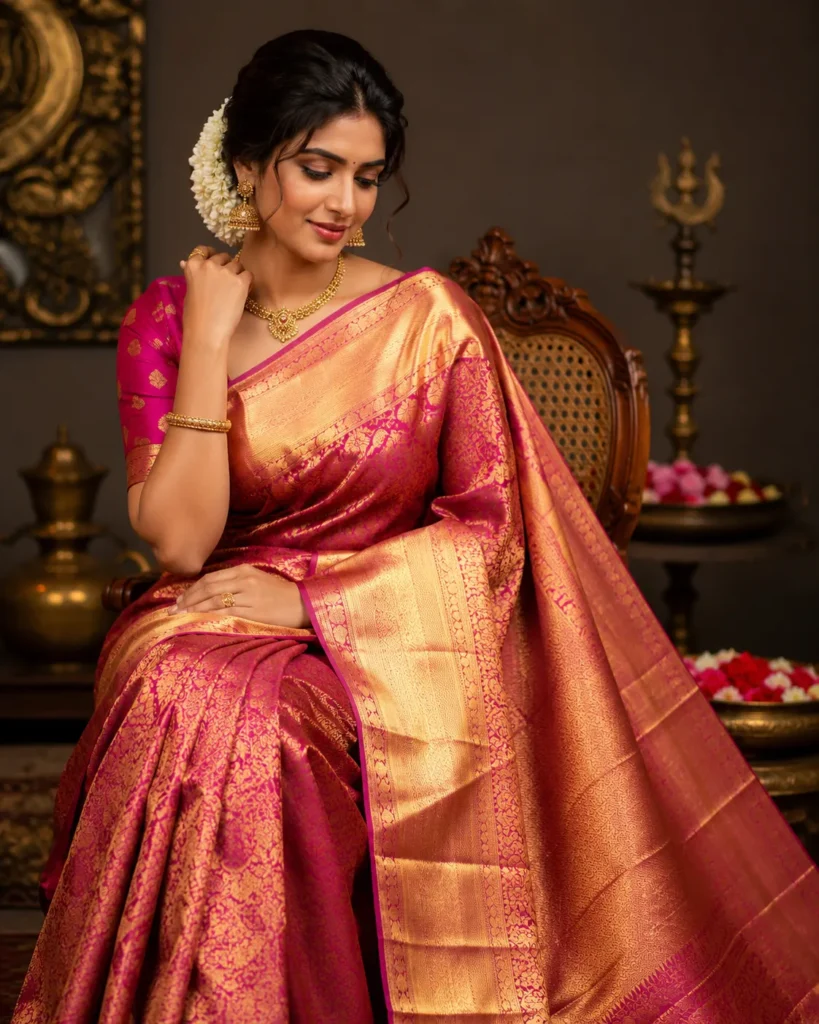
Popular Silk Saree Varieties
- Kanchipuram Silk Saree: Known for its heavy silk fabric, vibrant colors, and gold zari work.
- Banarasi Silk Saree: Famous for its intricate brocade patterns and Mughal-inspired motifs.
- Mysore Silk Saree: Appreciated for its smooth texture and elegant simplicity.
- Tussar Silk Saree: Valued for its natural golden sheen and lightweight feel.
| Silk Saree Type | Best For |
|---|---|
| Kanchipuram Silk | Weddings |
| Banarasi Silk | Bridal Wear |
| Mysore Silk | Festivals |
| Tussar Silk | Casual Elegance |
Cotton Saree
A Cotton Saree is loved for its comfort, breathability, and versatility. It is an ideal choice for daily wear, office wear, and warm climates.
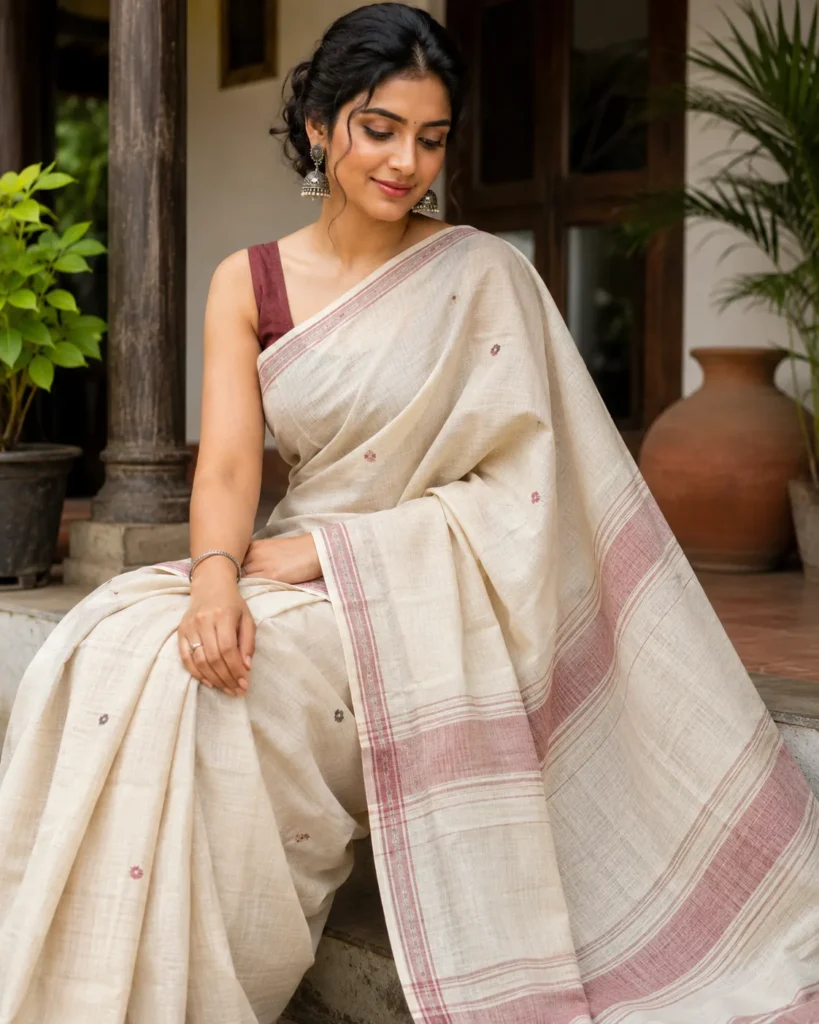
Popular Cotton Saree Varieties
- Mul Mul Cotton Saree: Extremely soft and lightweight.
- Bengal Cotton Saree: Known for its crisp texture and artistic designs.
- Jamdani Saree: Features delicate handwoven motifs.
- Tangail Saree: Combines elegance with everyday comfort.
Cotton sarees are especially popular among working women because they provide comfort without compromising on style.
Handloom Saree
A Handloom Saree is woven manually by skilled artisans using traditional looms. These sarees are highly valued for their authenticity, uniqueness, and support for local craftsmanship.
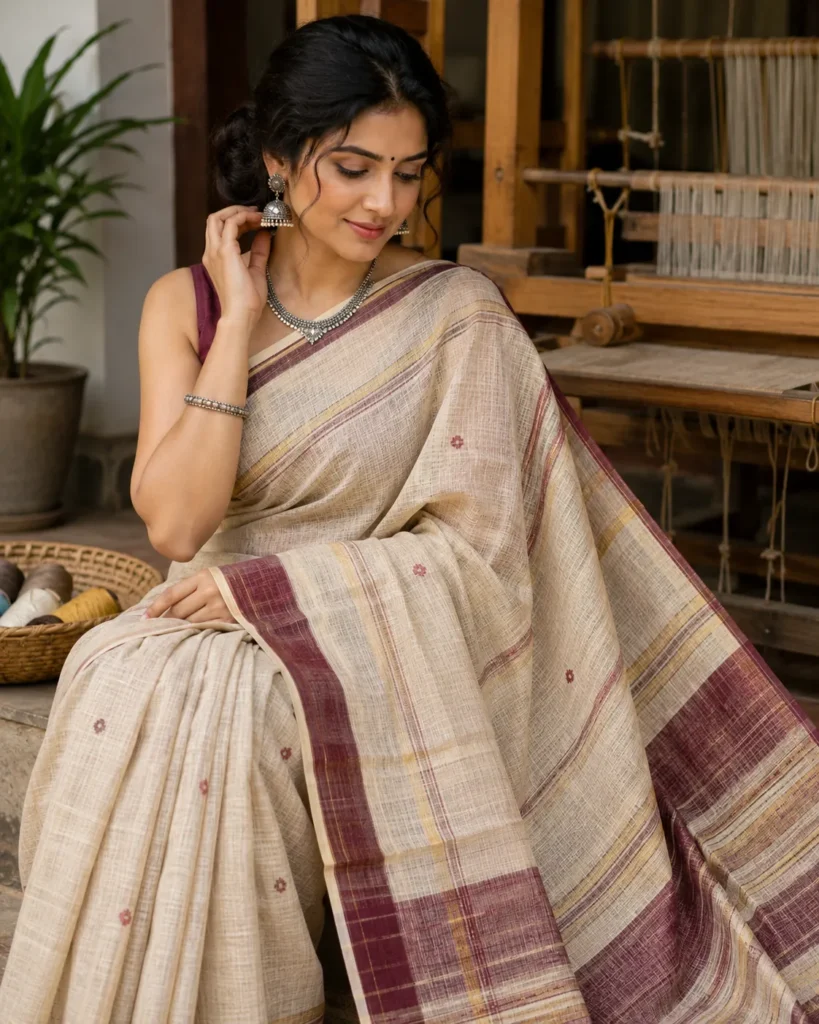
Why Choose a Handloom Saree?
- Each saree is handcrafted with precision.
- Handloom sarees often use natural fibers and dyes.
- They promote sustainable fashion.
- Purchasing handloom sarees supports artisan communities.
Popular handloom sarees include Chanderi, Maheshwari, Pochampally, and Ikat sarees.
Designer Saree
A Designer Saree combines traditional draping with modern fashion trends. These sarees are often embellished with sequins, stones, embroidery, and innovative cuts.
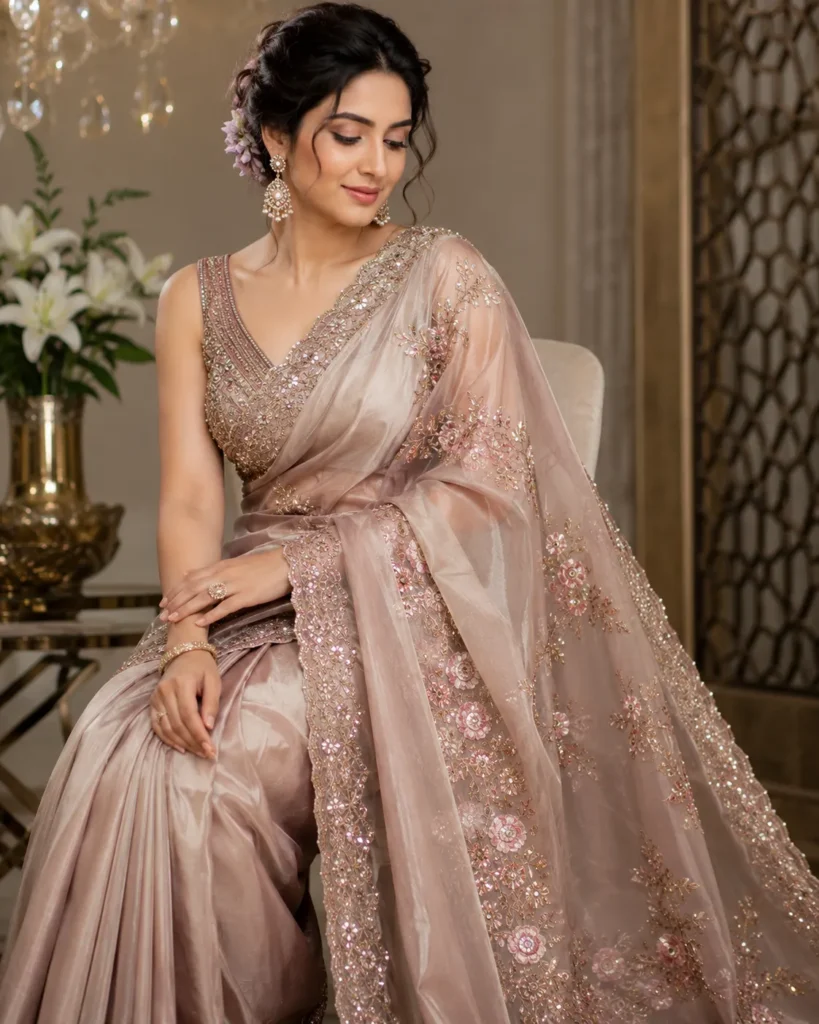
Designer sarees are perfect for:
- Reception parties
- Cocktail events
- Fashion shows
- Contemporary festive celebrations
Khadi Saree – The Sustainable Fashion Choice
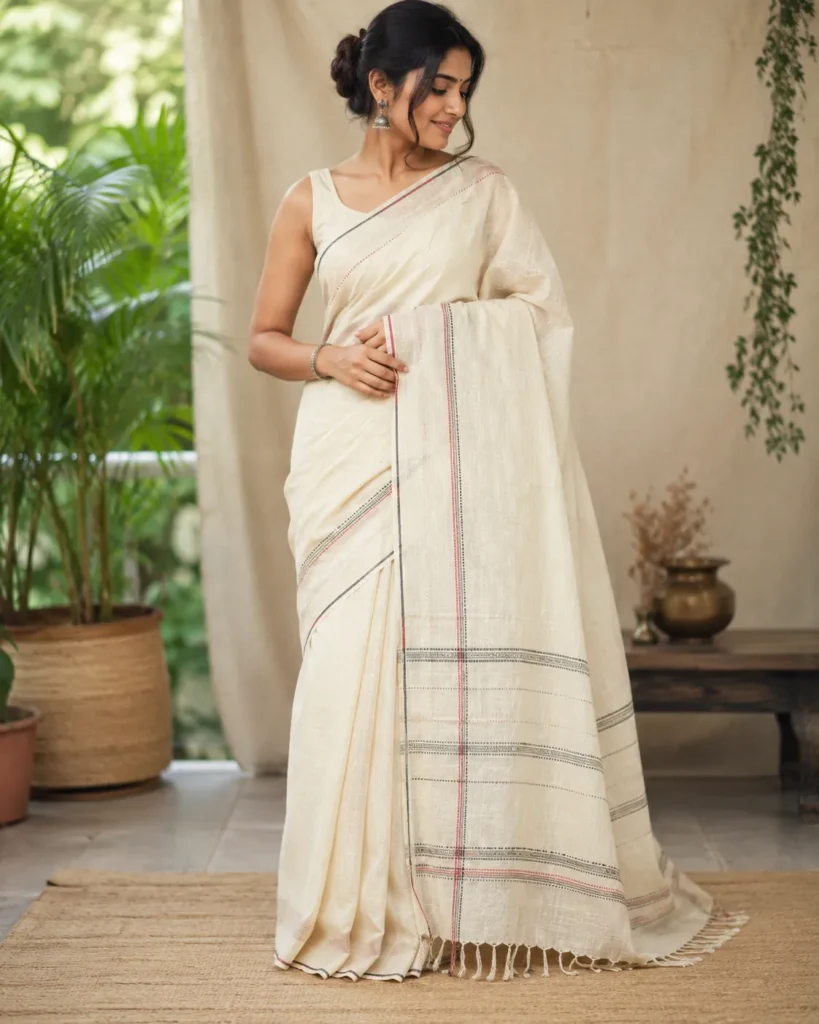
A Khadi Saree is more than just a traditional garment; it is a symbol of India’s rich handloom heritage and sustainable fashion movement. Hand-spun and handwoven by skilled artisans, Khadi Sarees are celebrated for their comfort, breathability, and eco-friendly production process.
In recent years, the Khadi Saree has gained immense popularity among women who seek elegance without compromising on sustainability. Its natural texture and timeless appeal make it a versatile choice for both traditional and modern wardrobes.
What is a Khadi Saree?
A Khadi Saree is made from Khadi fabric, which is traditionally hand-spun on a charkha and handwoven on a loom. Unlike machine-made fabrics, Khadi retains a unique texture that reflects the artisan’s craftsmanship.
Khadi Sarees are available in various forms, including:
- Pure cotton Khadi Sarees
- Silk Khadi Sarees
- Cotton-silk blend Khadi Sarees
- Printed and embroidered Khadi Sarees
Benefits of Wearing a Khadi Saree
Choosing a Khadi Saree offers numerous advantages, both for the wearer and the environment.
- Breathable Fabric: Khadi allows air circulation, making it ideal for hot and humid climates.
- Eco-Friendly: The production process consumes less energy compared to machine-made textiles.
- Comfortable: Khadi becomes softer with every wash, ensuring long-lasting comfort.
- Unique Texture: Each Khadi Saree has a distinct weave, making every piece one of a kind.
- Artisan Support: Purchasing Khadi helps sustain the livelihoods of traditional weavers.
Why Khadi Sarees are Eco-Friendly
The Khadi Saree is often regarded as one of the most sustainable fashion choices because it is produced with minimal environmental impact.
| Feature | Khadi Saree |
|---|---|
| Production | Hand-spun and handwoven |
| Energy Use | Low |
| Chemical Use | Minimal |
| Carbon Footprint | Low |
| Artisan Involvement | High |
By choosing a Khadi Saree, consumers contribute to the preservation of traditional weaving techniques and promote a more sustainable fashion industry.
Best Occasions to Wear a Khadi Saree
A Khadi Saree is incredibly versatile and can be styled for various occasions.
- Office Wear: Pair a plain Khadi Saree with a contrasting blouse for a professional look.
- Festivals: Choose a silk Khadi Saree with zari borders for festive celebrations.
- Casual Outings: Opt for a lightweight cotton Khadi Saree for everyday elegance.
- Cultural Events: Wear a traditional Khadi Saree to showcase India’s handloom heritage.
- Weddings: Select an embroidered or silk-blend Khadi Saree for a sophisticated wedding look.
How to Style a Khadi Saree
Styling a Khadi Saree can create a perfect blend of tradition and modernity.
- Pair it with a designer blouse for a contemporary appearance.
- Add oxidized silver jewelry for a bohemian ethnic look.
- Use a belt over the saree for a trendy fusion style.
- Choose handcrafted accessories such as potli bags and juttis.
- Drape it in a modern style for receptions and festive gatherings.
The Khadi Saree is not only a fashion statement but also a conscious choice that reflects elegance, comfort, and responsibility toward the environment.
Embroidery Saree – Elegance in Every Thread
An Embroidery Saree is a masterpiece of intricate craftsmanship, where delicate threadwork transforms a simple fabric into a work of art. These sarees are admired for their detailed patterns, luxurious appearance, and timeless charm.
From traditional hand embroidery to modern embellishments, Embroidery Sarees are a popular choice for weddings, receptions, and festive occasions.
What Makes an Embroidery Saree Special?
An Embroidery Saree stands out because of the artistic threadwork that adorns its fabric. The embroidery may include floral motifs, geometric patterns, paisleys, and intricate borders, all crafted with precision.
Popular Embroidery Styles
- Chikankari: Delicate white thread embroidery originating from Lucknow.
- Zardozi: Rich metallic embroidery often used in bridal wear.
- Gota Patti: Traditional Rajasthani applique work using gold and silver ribbons.
- Kantha: Decorative running stitch embroidery from Bengal.
- Mirror Work: Vibrant embroidery embellished with reflective mirrors.
How to Choose an Embroidery Saree for Weddings
Selecting the right Embroidery Saree for a wedding depends on the occasion, fabric, and level of embellishment.
| Wedding Event | Recommended Embroidery Saree |
|---|---|
| Haldi | Light floral embroidery |
| Mehendi | Mirror work embroidery |
| Sangeet | Sequined embroidery |
| Reception | Zardozi embroidery |
| Bridal Wear | Heavy hand embroidery |
Styling Tips for Embroidery Sarees
- Keep jewelry minimal if the saree has heavy embroidery.
- Choose a blouse that complements the embroidery pattern.
- Opt for elegant heels or embellished sandals.
- Carry a matching clutch or potli bag for a complete festive look.
- Use soft makeup to balance the richness of the embroidered saree.
An Embroidery Saree adds a touch of grandeur and sophistication to any wardrobe, making it an essential choice for women who appreciate detailed craftsmanship and luxurious ethnic fashion.
How to Choose the Perfect Saree
Choosing the perfect Saree can feel overwhelming because of the wide variety of fabrics, designs, and styles available. However, selecting the right saree becomes much easier when you consider the occasion, body type, climate, budget, and personal style.
A well-chosen saree not only enhances your appearance but also boosts your confidence and comfort throughout the event.
Choose a Saree Based on the Occasion
Different occasions call for different types of sarees. Selecting a saree that matches the event ensures that you look appropriate and stylish.
| Occasion | Best Saree Choice |
|---|---|
| Wedding | Silk Saree, Embroidery Saree |
| Festival | Khadi Saree, Silk Saree |
| Office Wear | Cotton Saree, Handloom Saree |
| Daily Wear | Lightweight Cotton Saree |
| Reception | Designer Saree, Embroidery Saree |
For weddings and grand celebrations, a richly woven Silk Saree or an elegant Embroidery Saree is ideal. For daily wear and office use, a breathable Cotton Saree or Handloom Saree provides comfort and sophistication.
Choose a Saree Based on Body Type
The right saree can complement your body shape and create a balanced silhouette.
Sarees for Petite Women
- Choose lightweight fabrics such as chiffon, georgette, or cotton.
- Opt for small prints and narrow borders.
- Avoid heavy embroidery that may overwhelm the frame.
Sarees for Tall Women
- Experiment with bold prints and wide borders.
- Silk Sarees and Handloom Sarees enhance the graceful appearance of tall women.
- Layered draping styles can add elegance.
Sarees for Curvy Women
- Choose fabrics that drape smoothly, such as georgette or silk blends.
- Dark colors and vertical patterns create a slimming effect.
- Avoid overly stiff fabrics that add bulk.
Sarees for Slim Women
- Opt for textured fabrics like Khadi Saree or Cotton Saree.
- Heavy embroidery and bold prints can add volume.
- Experiment with layered draping styles.
Choose a Saree Based on Fabric
The fabric of a Saree determines its comfort, appearance, and suitability for different occasions.
| Fabric | Best For |
|---|---|
| Khadi Saree | Sustainable fashion, summer wear |
| Silk Saree | Weddings and festivals |
| Cotton Saree | Daily wear and office wear |
| Handloom Saree | Traditional events |
| Embroidery Saree | Receptions and celebrations |
A Khadi Saree is an excellent choice for women who prioritize comfort and sustainability, while an Embroidery Saree is perfect for those seeking a luxurious and festive look.
Choose a Saree Based on Climate
Climate plays a crucial role in saree selection, especially in a country as diverse as India.
- Summer: Cotton Saree and Khadi Saree are breathable and comfortable.
- Monsoon: Lightweight synthetic blends dry quickly and are easy to manage.
- Winter: Silk Saree and heavier Handloom Sarees provide warmth and elegance.
- Humid Climate: Khadi Saree is ideal because of its excellent air circulation.
Choose a Saree Based on Budget
A beautiful Saree is available in every budget range. The key is to focus on quality, craftsmanship, and long-term value.
- Budget-friendly: Cotton Sarees and simple Khadi Sarees.
- Mid-range: Handloom Sarees and printed Silk Sarees.
- Premium: Kanchipuram Silk Sarees, Banarasi Sarees, and heavy Embroidery Sarees.
Investing in a high-quality saree ensures durability and timeless style, making it a valuable addition to your wardrobe.
Saree Styling Tips for Every Occasion
Styling a Saree correctly can transform your entire look. The right blouse, accessories, hairstyle, and draping style can make even a simple saree appear stunning.
Wedding Saree Styling
A Wedding Saree should exude grandeur and elegance.
- Choose a Silk Saree or heavily embroidered Embroidery Saree.
- Pair it with traditional gold or temple jewelry.
- Opt for a neatly pleated drape for a regal appearance.
- Complete the look with a bun adorned with fresh flowers.
Festive Saree Styling
For festivals such as Onam, Diwali, and Navratri, comfort and vibrancy are essential.
- Choose a Khadi Saree or lightweight Silk Saree.
- Wear oxidized silver or traditional jewelry.
- Experiment with bright colors and festive prints.
- Carry a handcrafted potli bag for a complete ethnic look.
Office Saree Styling
An office Saree should look professional while remaining comfortable for long working hours.
- Choose a Cotton Saree, Khadi Saree, or Handloom Saree.
- Pair it with a simple blouse in a solid color.
- Keep accessories minimal and elegant.
- Opt for a clean and structured drape.
Daily Wear Saree Styling
For everyday elegance, simplicity is the key.
- Choose lightweight Cotton Sarees or Khadi Sarees.
- Pair them with comfortable sandals or flats.
- Use minimal jewelry for a natural look.
- Experiment with easy draping styles for convenience.
Accessorizing Your Saree
Accessories can elevate the beauty of any Saree when chosen thoughtfully.
- Jewelry: Match the jewelry with the saree’s embroidery and occasion.
- Footwear: Heels add height, while flats provide comfort.
- Bags: Potli bags and clutches complement festive sarees.
- Belts: Saree belts create a modern fusion look.
- Hair Accessories: Flowers, pins, and hair jewelry add traditional charm.
A well-styled Saree can make you look graceful, confident, and effortlessly elegant, regardless of the occasion.
Why Khadi and Handloom Sarees Matter
In today’s fast-fashion world, choosing a Khadi Saree or a Handloom Saree is more than a fashion decision. It is a conscious choice that supports sustainability, preserves traditional craftsmanship, and empowers local artisans.
Supporting Traditional Artisans
Every Handloom Saree and Khadi Saree is the result of hours of skilled craftsmanship. By purchasing these sarees, consumers directly contribute to the livelihoods of weavers and artisan communities across India.
- Handloom weaving preserves centuries-old traditions.
- Artisans receive fair compensation for their craftsmanship.
- Local economies are strengthened through sustainable production.
- Unique weaving techniques are passed on to future generations.
Promoting Sustainable Fashion
Fast fashion often leads to excessive waste and environmental pollution. In contrast, Khadi and Handloom Sarees are produced with minimal machinery, lower energy consumption, and often natural fibers.
| Aspect | Khadi & Handloom | Fast Fashion |
|---|---|---|
| Production | Handcrafted | Machine-made |
| Energy Use | Low | High |
| Waste Generation | Minimal | Excessive |
| Durability | High | Often low |
| Artisan Support | Direct | Limited |
The Timeless Value of a Khadi Saree
A Khadi Saree is not just a garment for one season. Its durability, comfort, and classic appeal make it a timeless investment. Unlike trendy fast-fashion pieces, a well-maintained Khadi Saree can be worn for years and even passed down as a cherished heirloom.
Frequently Asked Questions About Sarees
What is the difference between a Khadi Saree and a Cotton Saree?
A Khadi Saree is hand-spun and handwoven, giving it a unique texture and artisanal appeal. A Cotton Saree, on the other hand, may be handwoven or machine-made and is primarily valued for its softness and comfort.
Which Embroidery Saree is best for weddings?
For weddings, Zardozi, Gota Patti, and heavy hand-embroidered Embroidery Sarees are the most popular choices because of their rich and luxurious appearance.
How do I style a Khadi Saree for a modern look?
You can style a Khadi Saree with a designer blouse, statement jewelry, a saree belt, and contemporary footwear to create a modern fusion look.
Are Handloom Sarees better than machine-made sarees?
Handloom Sarees are often considered superior in terms of craftsmanship, uniqueness, and sustainability. Each handloom saree is woven individually, making it distinct from mass-produced machine-made sarees.
Which Saree fabric is best for summer?
Cotton Sarees and Khadi Sarees are the best choices for summer because they are breathable, lightweight, and comfortable in hot weather.
How should I care for an Embroidery Saree?
An Embroidery Saree should be dry-cleaned or gently hand-washed, depending on the fabric. It should be stored in a cool, dry place and folded carefully to protect the embroidery work.
Conclusion
A Saree is more than just traditional attire; it is a celebration of India’s rich cultural heritage, artistry, and timeless elegance. From the luxurious Silk Saree to the sustainable Khadi Saree and the intricate Embroidery Saree, every saree reflects a unique blend of tradition and personal style.
By understanding the different types of sarees, choosing the right fabric for each occasion, and styling them thoughtfully, you can create a wardrobe that is both elegant and versatile. Most importantly, choosing Khadi and Handloom Sarees allows you to support sustainable fashion and preserve the invaluable craftsmanship of Indian artisans.
Whether you are looking for a Wedding Saree, Festive Saree, Office Saree, or Daily Wear Saree, there is a perfect saree for every woman and every occasion.
Discover Authentic Sarees at Khadigram
Explore Khadigram’s exclusive collection of Khadi Sarees, Embroidery Sarees, Handloom Sarees, and traditional Indian sarees crafted with elegance, comfort, and sustainability in mind. Celebrate India’s textile heritage with sarees that combine timeless beauty with modern style.
This completes the full SEO-optimized blog article with Saree as the primary keyword and Khadi Saree and Embroidery Saree as secondary keywords, ready for direct publishing on the Khadigram website.